
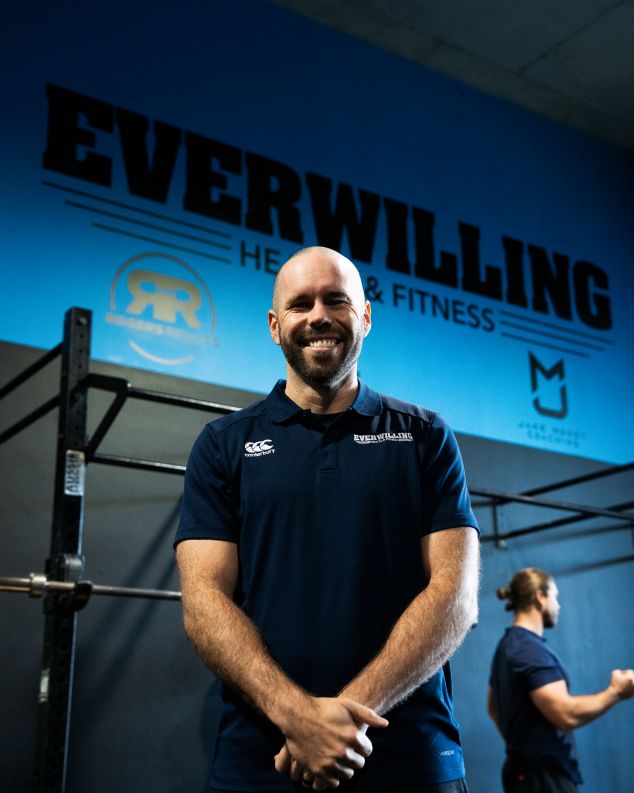
Menopause is a natural stage of life, but for many women it can also bring challenges that affect health, confidence, and daily wellbeing. Changes in hormones, sleep patterns, energy levels, mood, and body composition can make this time feel frustrating and overwhelming. The good news is that regular exercise can be one of the most powerful tools to help manage symptoms and improve quality of life during menopause.
At Everwilling Health and Fitness, Charles Ivey has seen firsthand how the right training program can help women feel stronger, healthier, and more confident during this stage of life.
Strength Training Protects Muscle and Bone Health
One of the biggest changes during menopause is the natural decline in oestrogen, which can contribute to reduced muscle mass and lower bone density. This means women may notice they feel weaker, lose tone, or become more prone to injury.
Strength training is one of the best ways to combat this. Lifting weights, using resistance bands, or performing bodyweight exercises helps maintain lean muscle, improve posture, and keep bones strong. Building strength also makes everyday tasks easier — from carrying groceries to staying active with family and friends.
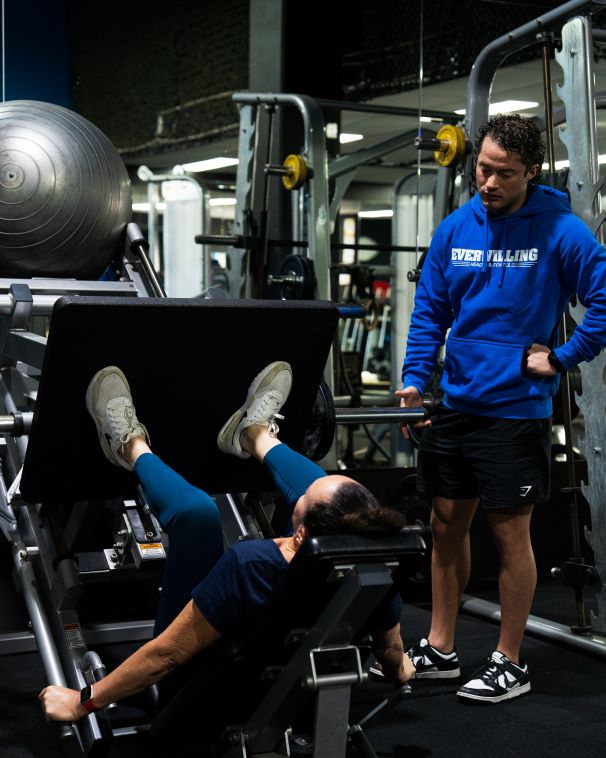
At Everwilling Health and Fitness, programs are designed to suit all fitness levels — whether someone is completely new to training or already experienced.
Exercise Supports Weight Management
Many women notice weight gain during menopause, especially around the stomach area. This is often caused by hormonal shifts, a slower metabolism, and changes in lifestyle habits.
Regular training helps burn calories, build muscle, and keep metabolism working efficiently. Strength training is especially valuable because muscle tissue burns more energy than fat tissue, even while resting.
"Combined with sensible nutrition, exercise can make weight management far more achievable and sustainable — without the misery of extreme dieting." — Charles Ivey
Better Mood, Less Stress, More Energy
Menopause can sometimes bring mood swings, anxiety, and low motivation. Exercise has a direct positive impact on mental health by releasing endorphins — often called the body's "feel good" chemicals.
Training can also improve sleep quality, reduce stress, and boost daily energy levels. Even a 30-minute workout can leave someone feeling refreshed and more positive for the rest of the day.
Many women also find that walking into a supportive gym environment and doing something for themselves becomes one of the best parts of their week.
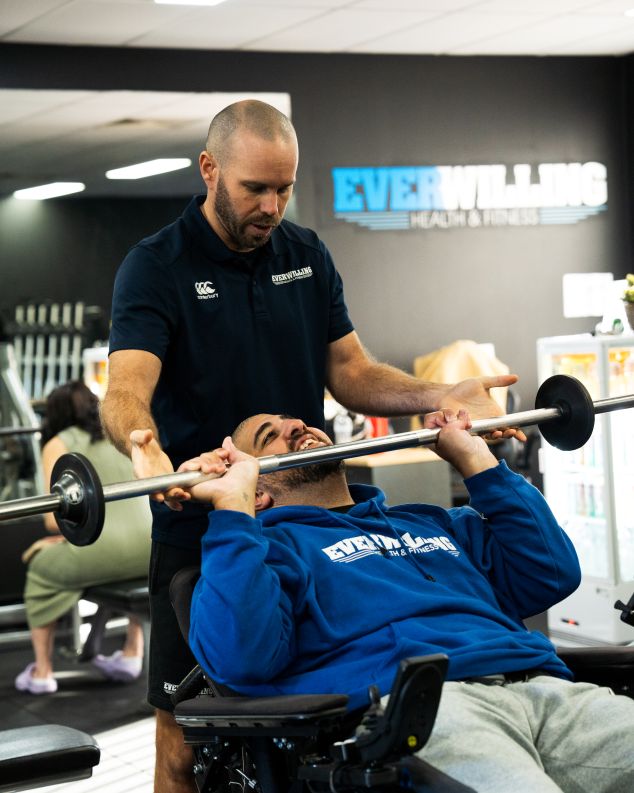
Confidence and Self-Belief Matter Too
Menopause can sometimes make women feel like they are losing control of their body. Training helps reverse that feeling. Getting stronger, moving better, and seeing progress builds confidence that often carries into every other part of life.
This confidence is not just about appearance. It is about knowing your body is capable, resilient, and worth investing in.
"Exercise should empower people, not intimidate them. That is something I always keep at the centre of how we approach training here." — Charles Ivey
The Best Training Approach During Menopause
There is no one-size-fits-all approach, but a balanced routine often works best. Consistency is more important than intensity — the goal is building habits that feel sustainable week after week.
- Strength training 2–4 times per week
- Walking or cardio for heart health
- Mobility and stretching work
- Dedicated recovery and rest days
- Consistency over perfection
The key is choosing training that feels enjoyable and sustainable — not something you dread. When exercise becomes something you look forward to, results follow naturally.
Final Thoughts
Menopause is not the end of feeling strong, fit, or confident. In many ways, it can be the beginning of a new chapter where health becomes the priority.
Training through menopause can improve bone health, preserve muscle, support weight management, lift mood, and restore confidence. With the right guidance, women can feel better than ever.
At Everwilling Health and Fitness, Charles Ivey is passionate about helping women train safely and effectively through every stage of life, including menopause. The goal is simple: help people feel strong, capable, and healthy for years to come.